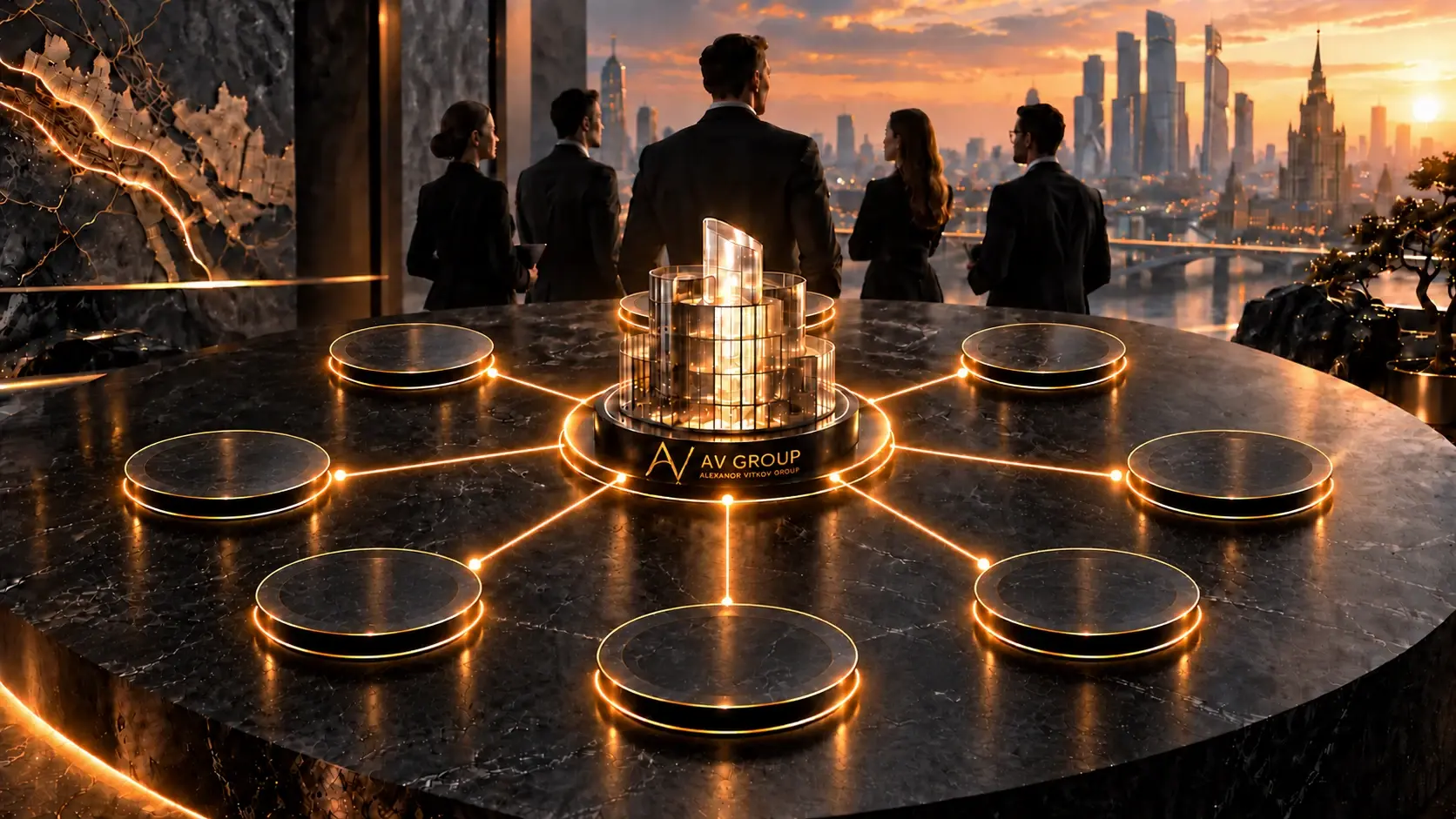

One ecosystem
We agree the roles of your website, CRM and internal services so every solution works within one framework.
Разрабатываем сайты, выстраиваем поисковое продвижение и интеграции с CRM. Поддерживаем продукт после запуска и связываем работу с задачами бизнеса.
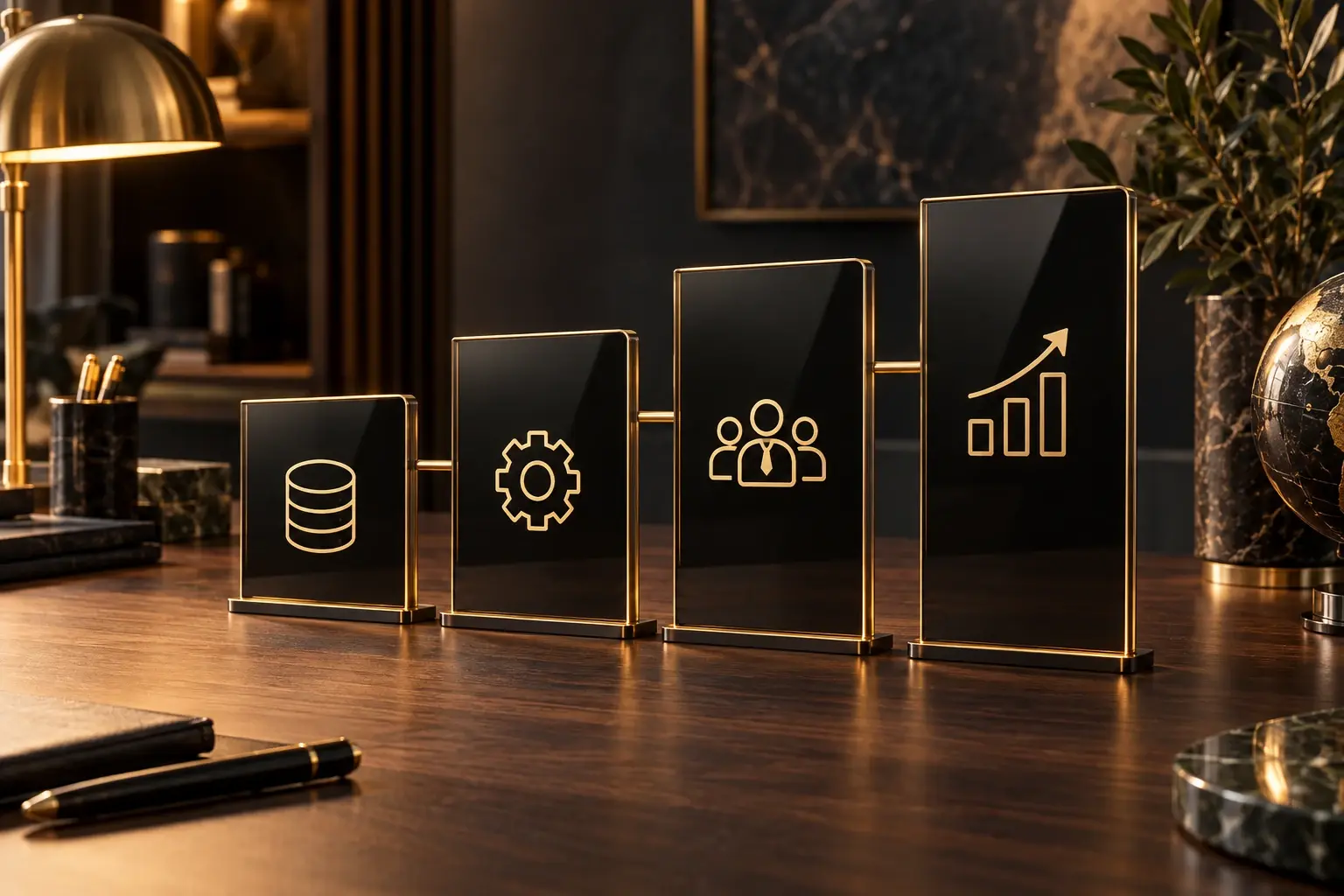
We help create a coherent digital environment: systems, data, integrations and processes working together. From understanding your current setup to a clear plan for change.
We agree the roles of your website, CRM and internal services so every solution works within one framework.
We identify data sources, exchange rules and responsibility for quality.
We document workflows and identify where manual work can be reduced.
We prepare a change plan around business goals, budget and constraints.
We map your business: who uses each system, what data is exchanged and where manual work occurs. We then design the target setup and agree the transition sequence.
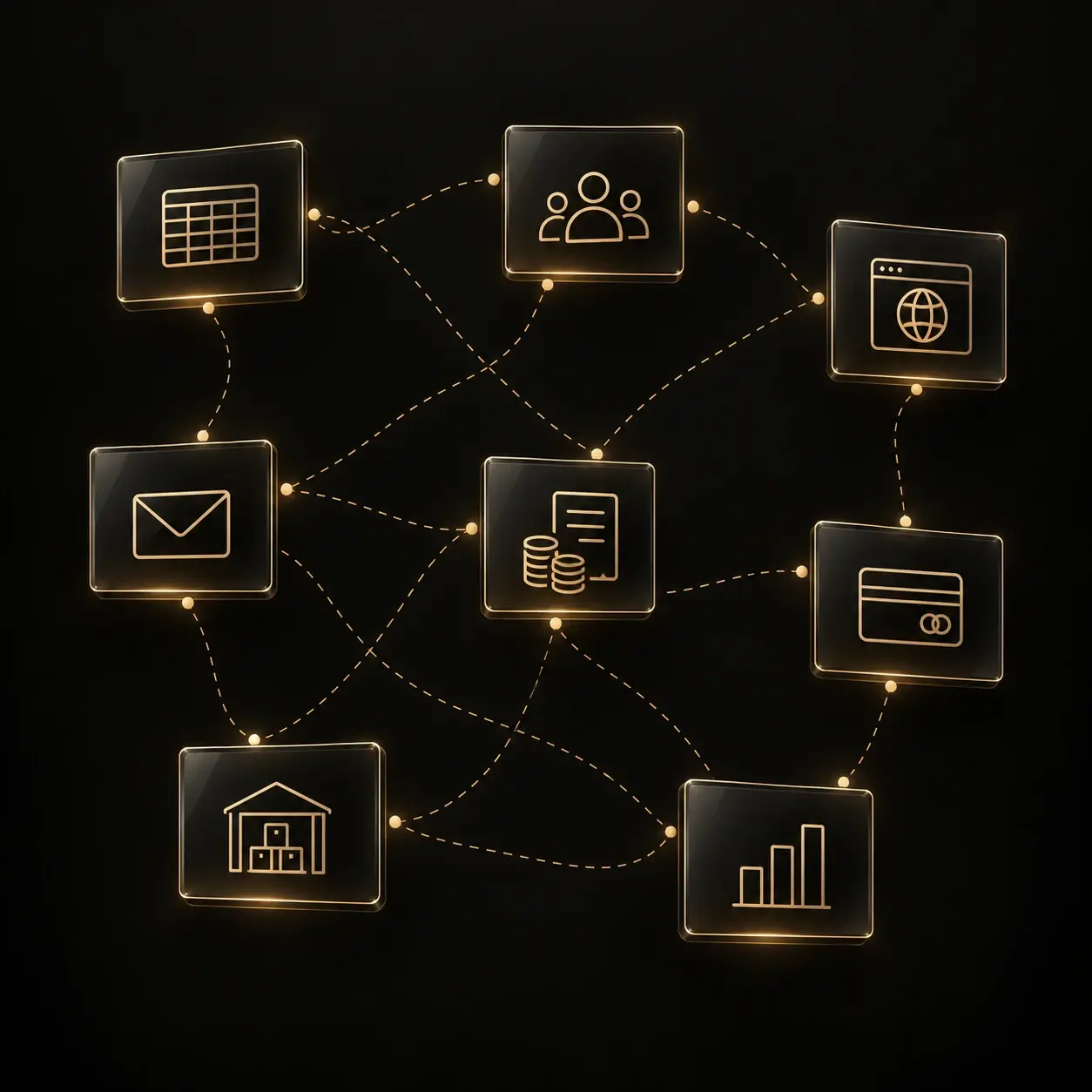
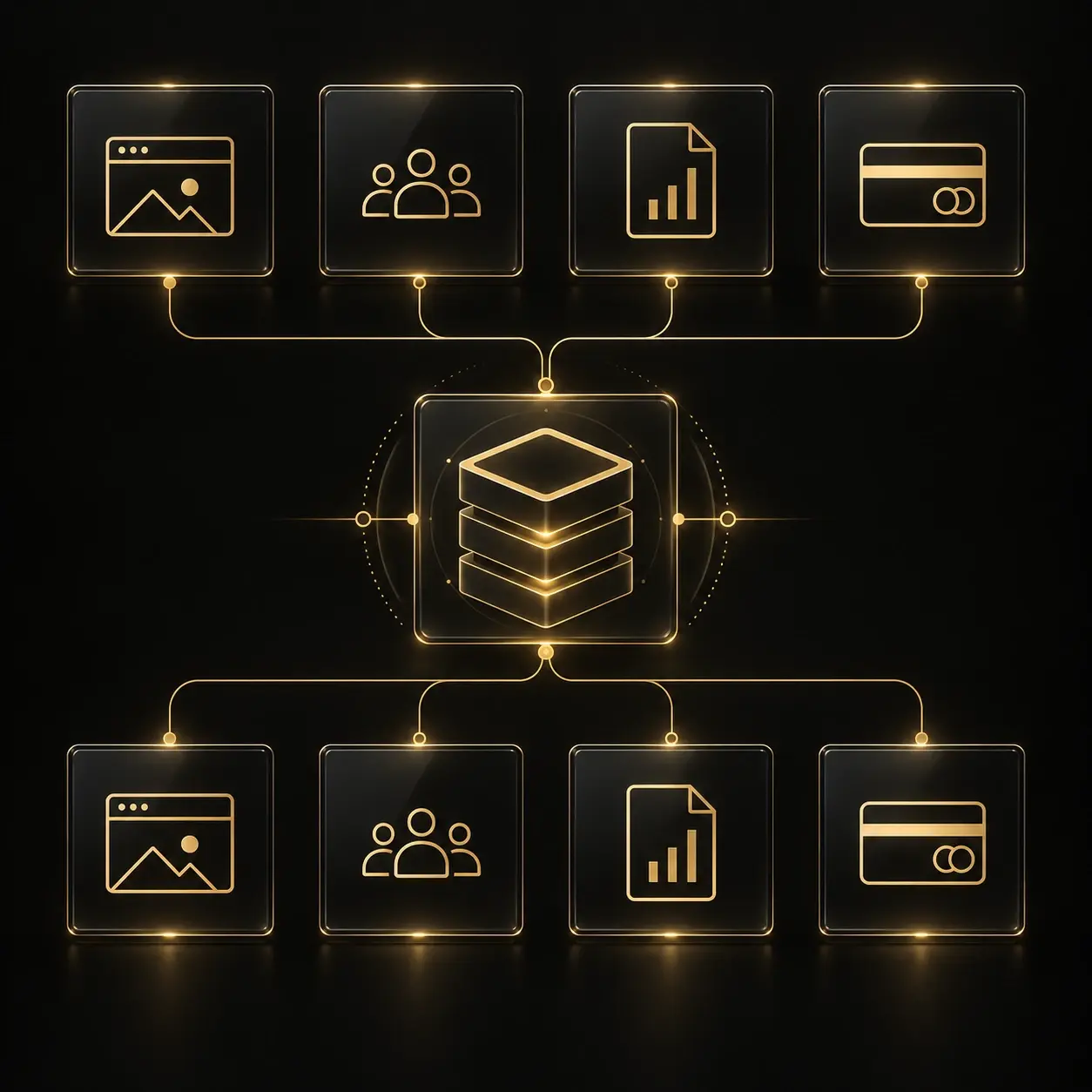
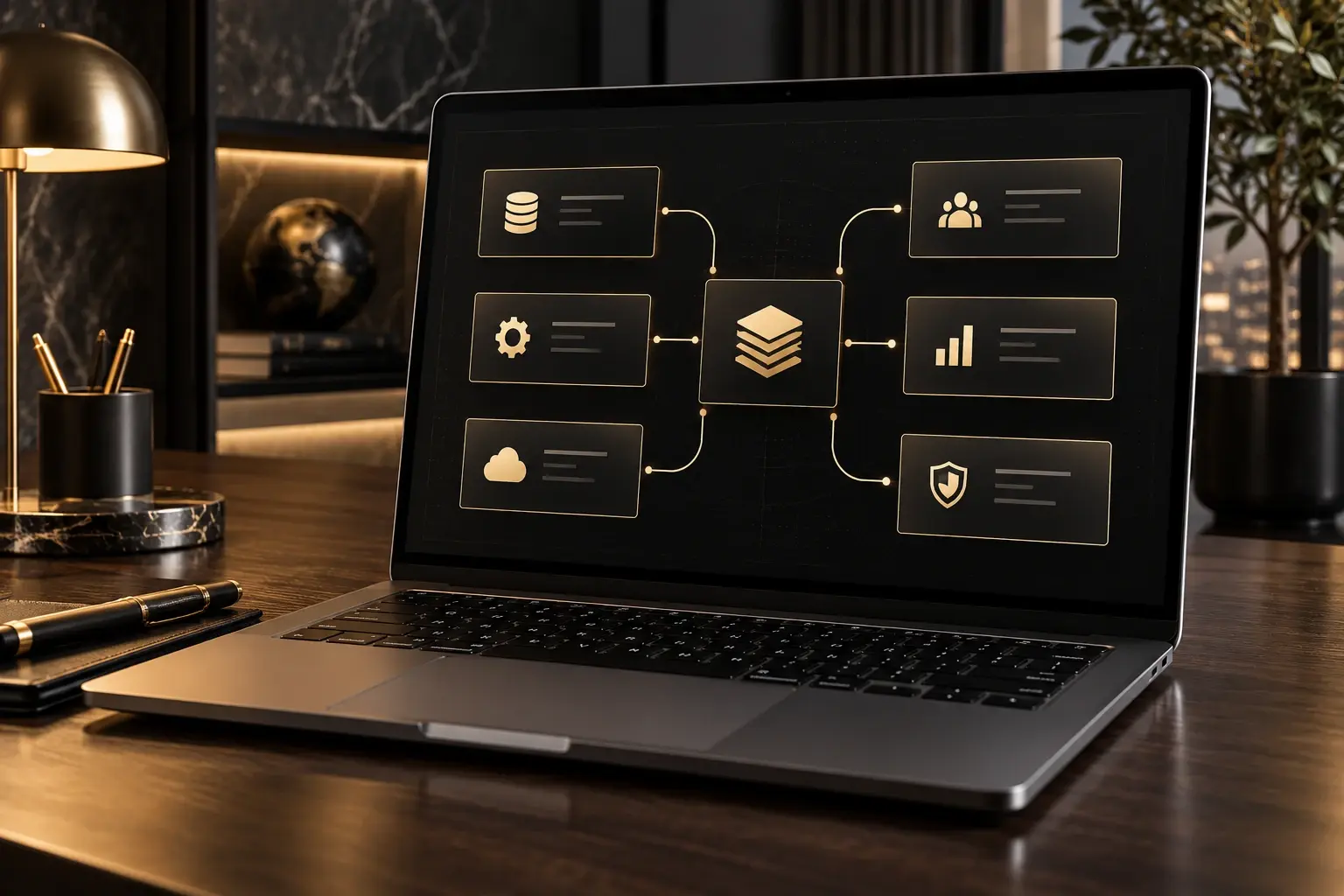
The diagram on the right illustrates the approach. Components and connections are defined for your project.
Scattered sources, duplicate data entry and unclear connections.
Clear system roles, exchange rules and controlled data.
We review your business, current systems, data and problem scenarios.
We define target architecture, component roles and data flows.
We define transition stages, dependencies and acceptance criteria.
We agree the design with your team and test key scenarios.
We help implement the architecture and update documentation under a separately agreed scope.
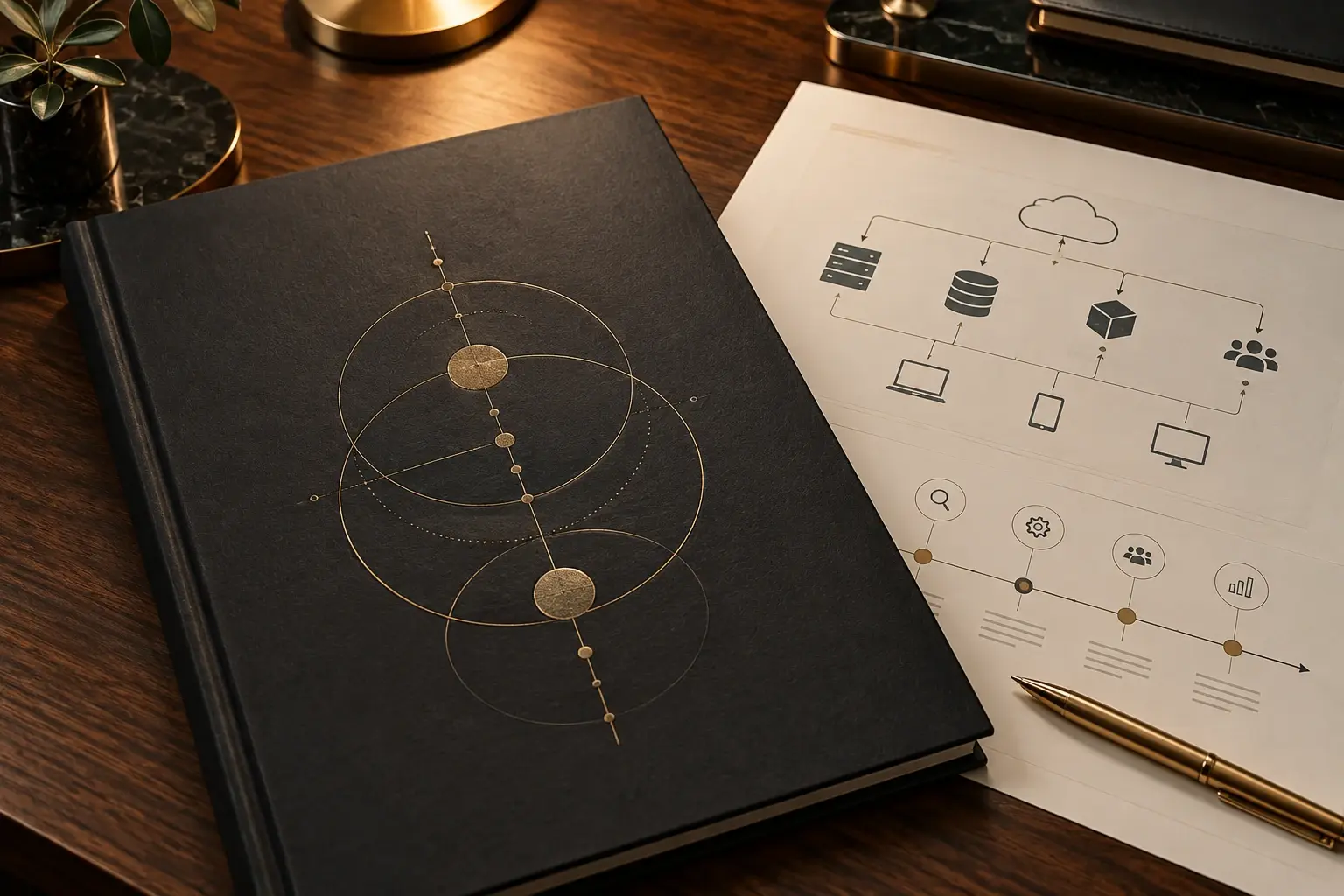
Practical documents your team can use to make decisions and plan implementation.
Systems, owners, dependencies and identified constraints.
Component roles and an agreed solution structure.
Data flows, exchange interfaces and connection requirements.
Priorities, transition stages and outcome verification criteria.
Start with a review of one process, then move on to design and implementation.
Pricing depends on system numbers, analysis depth and deliverables. After an initial discussion, we agree scope, price and timing. Development, licences and paid services are quoted separately.
With a discussion of your needs and current digital environment. We determine whether you need a focused process review or a full system design.
Not necessarily. We review existing solutions first and recommend replacement only where business needs, constraints or risks justify it.
Timing depends on the number of systems, available documentation and analysis depth. After an initial review, we agree stages and a schedule.
The proposal specifies systems and scenarios to review, documentation, meetings and support. Development and licences are not automatically included.
Yes. We agree responsibilities, collect technical information and provide requirements to the implementation team.
You receive an agreed architecture, requirements and a transition plan. Your own team can implement it, or you can discuss implementation with AV Group separately.
